
03 / INTERNATIONAL PARTNERSHIPS

Connecting research expertise.
Building international partnerships.

Using raw materials and analytical data as a common language to connect manufacturing, research and professional networks, Sanghuang technology can be understood and verified in different cooperation scenarios.

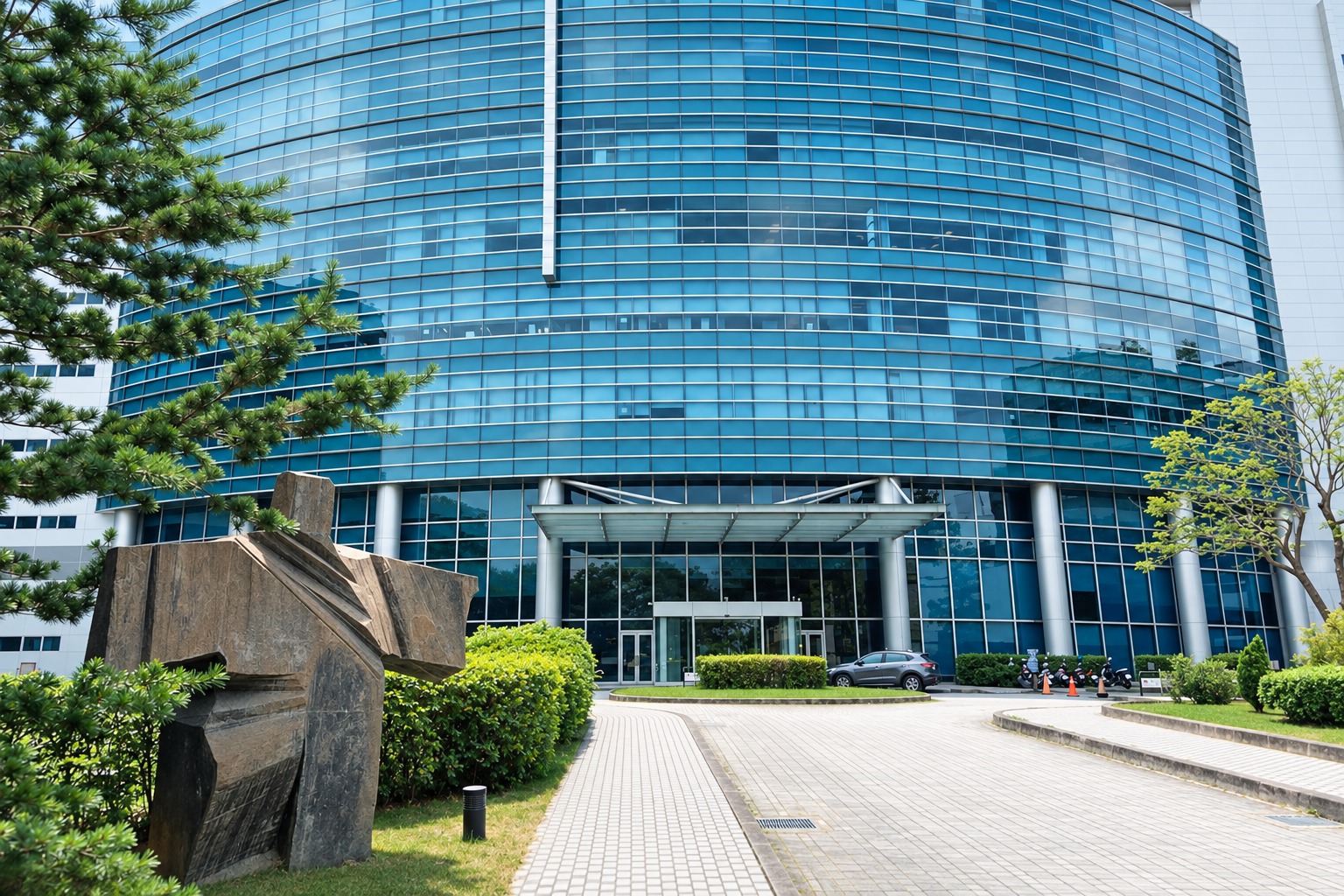
eGreen company exterior with a curved blue-glass facade, entrance, landscaping and foreground stone sculpture
eGreen company exterior

COLLABORATION MODELS

From shared interest to a defined project.

Different objectives require different depths of evidence. Define the question, use of materials and decision criteria before agreeing deliverables.

A pharmacist in a white coat retrieves a medicine bottle from prescription-stock shelves in a US community pharmacy
US pharmacy workflow
01

Research material evaluation

Discuss species, batches, specifications and sample needs; review available analytical information before designing a small feasibility study.

02

Joint research & method validation

Define models, primary readouts, data quality and replication; agree roles, raw-data access and rights to results for each project.

03

Process & translation assessment

Discuss scale-up through batch consistency, stability and supply requirements; further drug-development studies require separate planning and validation.

Potential deliverables

Material summaries, protocols, analytical methods, batch records, study reports and next-stage decisions. The scope is agreed by both parties.

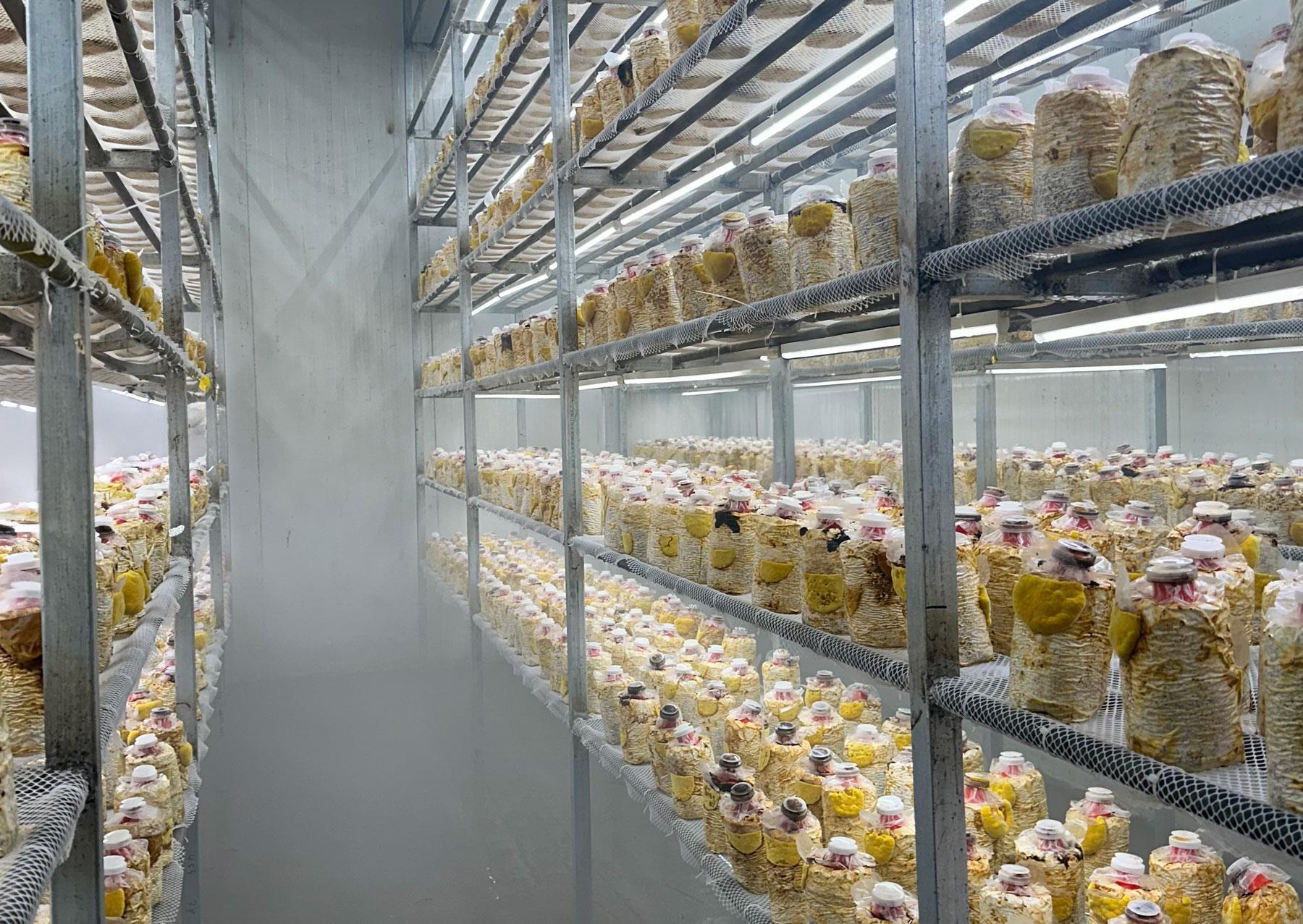
eGreen's indoor Sanghuang cultivation area with growing bags and golden fruiting bodies on illuminated multi-tier racks

THE NEXT QUESTION STARTS HERE

Let different majors,
See common possibilities.

eGreen indoor Sanghuang cultivation record

COLLABORATION NETWORK

The value of cooperation,
From clear division of labor.

Through ingredient supply, manufacturing collaboration and inter-institutional research, we connect Sanghuang technology with diverse market needs. Each collaboration proceeds according to its research objectives, responsibilities and agreed scope.

AMPLABORATORYUNITED STATES
2025 collaboration milestone

Raw material supply, manufacturing and cooperation with North America

In May 2025, we established a collaboration with AMP Laboratory covering edible and medicinal mushroom ingredient supply, contract manufacturing and professional channels in North America, connecting research materials, manufacturing specifications and market needs.

For subsequent development, the focus of cooperation includes raw material identity, batch specifications, testing data and supply stability, and establishing the technical foundation required for cross-border communication.

Ingredient supply and manufacturing collaboration do not establish anticancer drug licensing, completed clinical trials or FDA approval.

[C4]

RESEARCH COLLABORATION

Advance Medical Therapeutics

We have worked with US-based Advance Medical Therapeutics to explore Sanghuang extraction research. This research collaboration has a different scope from the ingredient supply and manufacturing collaboration with AMP Laboratory; rights and work packages are defined by the respective agreements.

Past research collaboration · scope defined per project[C1]
RESEARCH EXCHANGE

Inter-institutional academic exchange

Our research exchanges over the years have included JSNN in the United States, Mahidol University in Thailand and the Shanghai Academy of Agricultural Sciences, addressing nanoscale approaches, pharmacology and constituent analysis to broaden the interdisciplinary perspective on Sanghuang research.

These are research exchanges from prior years. Current collaboration is determined by individual agreements, and naming institutions does not imply their endorsement of eGreen.

[C1]

A NETWORK OF POSSIBILITIES

Let research cross boundaries,
Connect majors with each other.

With Taiwan’s cultivation and research materials as the core, it connects North American professional networks and Asian research exchanges. The picture shows the cooperation network and the distribution of non-operational bases.

PHARMACEUTICAL DEVELOPMENT

For international pharmaceutical companies
Direction of R&D cooperation.

Use existing cultivation and composition research as a starting point to focus on research questions that can be tested. The following are cooperation structures that can be discussed and do not represent existing clinical assets or drug licensing transactions.

01

Standardization of research materials

Clearly distinguish crude extracts, fractions, purified components and derivatives, and establish corresponding component specifications and analysis methods.

02

Pharmacological and Mechanistic Research

Design appropriate cell and animal models, paying attention to control, dose response, experimental reproduction, and integrity of original data.

03

Process and delivery exploration

Evaluate process scale-up, stability and delivery strategies; drug development requires additional planning of CMC, pharmacokinetic and toxicological data.

04

Intellectual Property and Translation Assessment

Confirm the patent scope, data usage rights and milestones according to the specific case type, and then evaluate the feasibility of cooperation and authorization in the next stage.

HOW WE COLLABORATE

From common issues,
Move toward a clear research plan.

The cooperation first confirms the materials, research purpose and data boundaries, and then advances step by step based on technical feasibility and research progress.

01

Requirements communication

Confirm the purpose of cooperation such as disease research, ingredient analysis, or raw material development.

02

Technology Assessment

Discuss research materials, available data, and methodological requirements.

03

Planning and design

Agree on the division of work, data rights, verification methods and milestones.

04

Stage Verification

Use the research results to evaluate whether to advance to the next stage.

START WITH A DEFINED QUESTION

Let cooperation discuss,
Start with clear information.

Researchers and industry partners can discuss plans based on the following items; the scope of actual data acquisition, delivery content, and rights will be agreed on a case-by-case basis.

MATERIAL DOSSIER

Material Description

Species, strain, part, manufacturing process overview, batch code and storage conditions.

ANALYTICAL QUESTIONS

Analysis problem

Pay attention to ingredients, reference standards, detection methods and sample dosage, and first define the questions to be answered by the research.

STUDY GOVERNANCE

Project Management

Control and replication, data use rights, milestones and evaluation criteria make research work traceable.

EGREEN / FROM RESEARCH TO PRODUCTION

From Sanghuang research to production.

How does Sanghuang become a research material ready for collaboration? We connect cultivation, analysis, research and process development in six steps, making the purpose of each one clear.

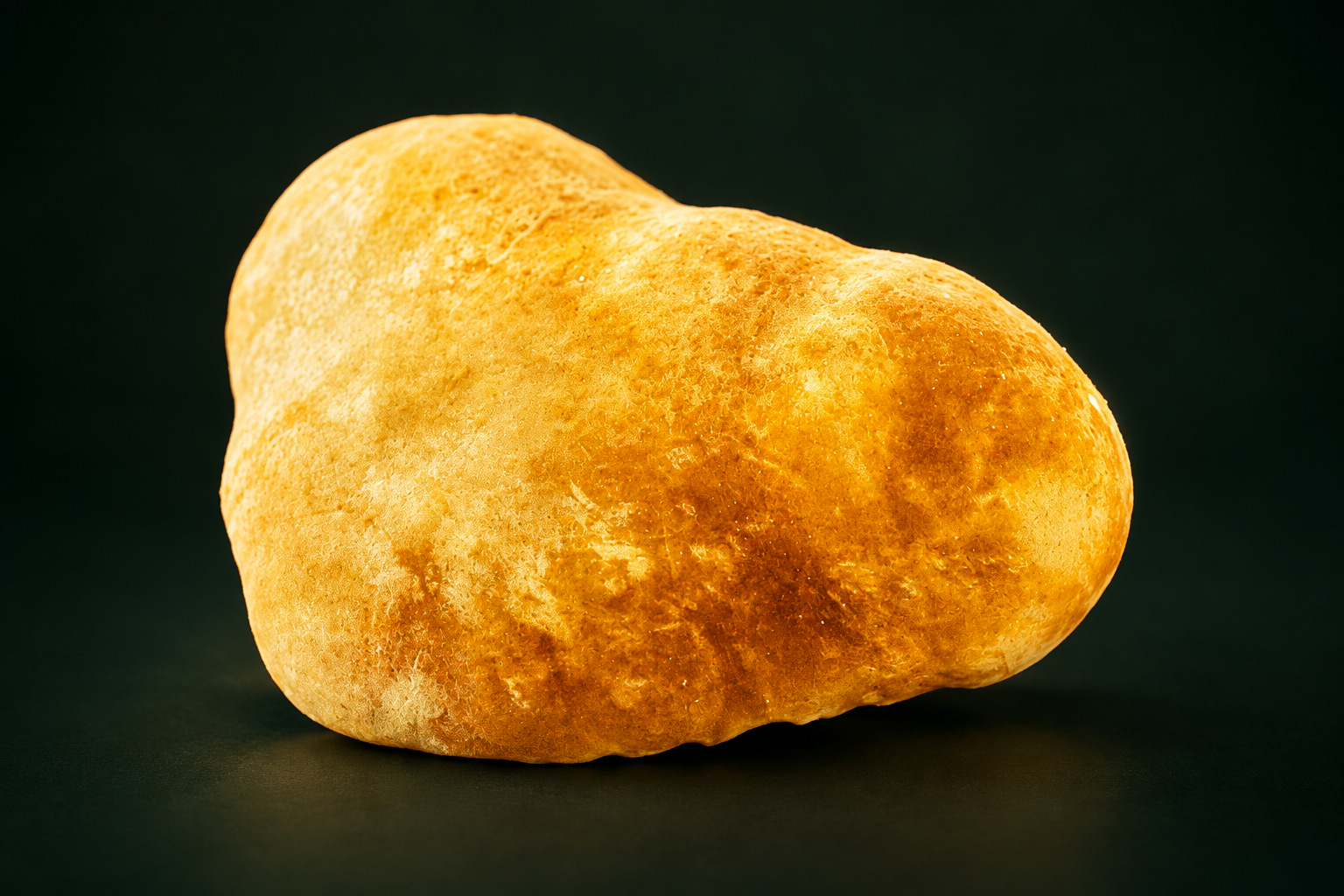
A golden eGreen LED-cultivated Sanghuang fruiting body against a deep green background, showing its silhouette and surface texture

What do we start with?

Materials & research planning

Starting with eGreen’s LED-cultivated Sanghuang, we define the strain, material part and research objective so every analysis has a clear starting point.

Key recordsMaterial identity & research objectives
Explore the work

We distinguish fruiting bodies, mycelia and extracts, confirm source batches and sample requirements, then agree on analytical work and responsibilities with partners.

eGreen's indoor Sanghuang cultivation area with growing bags and golden fruiting bodies on illuminated multi-tier racks

How do we manage growth?

LED-controlled cultivation

Indoor cultivation allows us to manage light, temperature, humidity and harvesting conditions, recording growth so batches can be compared.

Key recordsCultivation & harvest batch records
Explore the work

Strain origin, growth medium, environmental parameters and harvested material link each batch to its cultivation history, providing context for extraction and analysis.

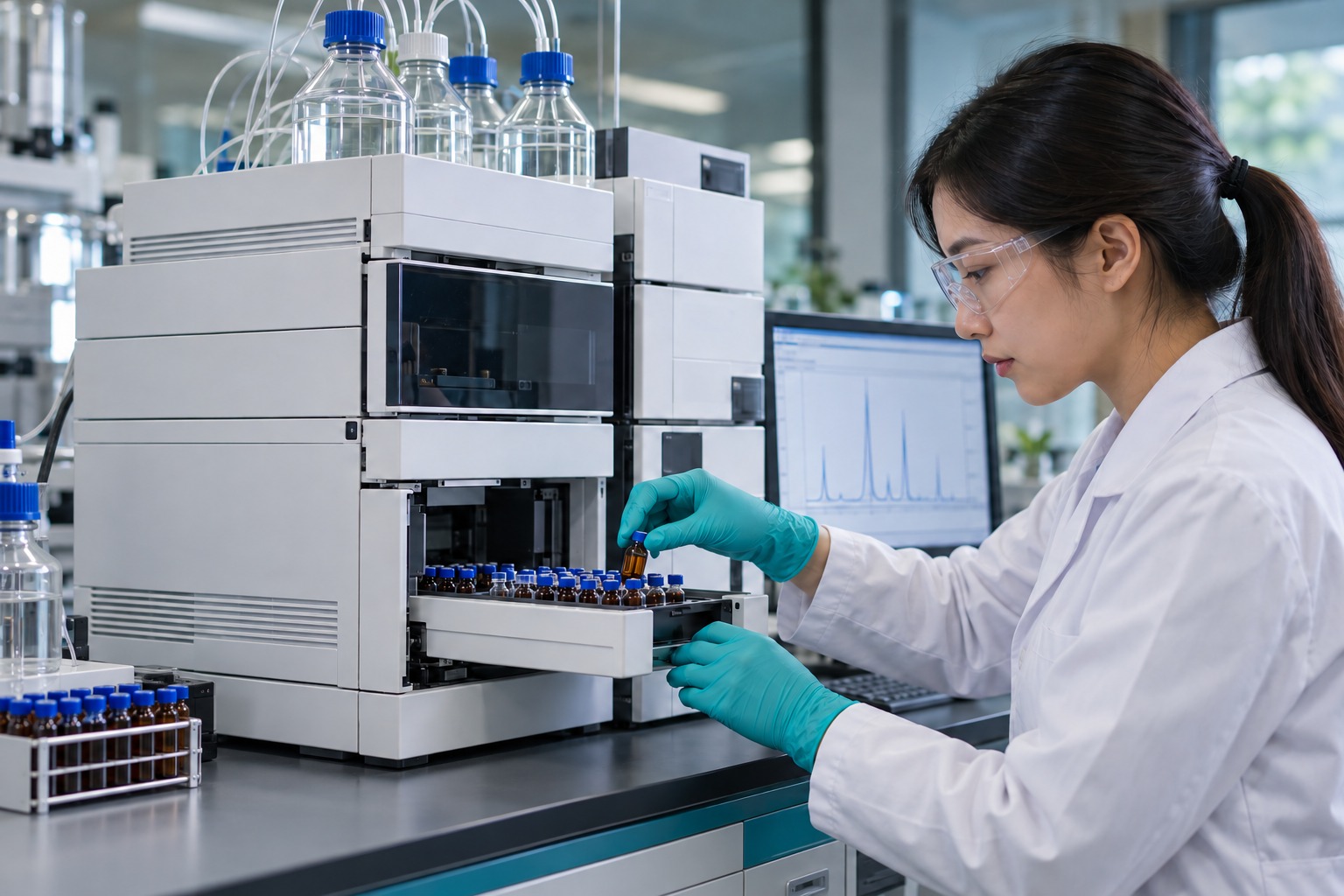
A gloved researcher places a sample vial into an HPLC autosampler tray

Which constituents are present?

Extraction & analysis

Extraction, fractionation and HPLC analysis reveal constituent signals and help us compare changes in materials and processing conditions.

Key recordsExtraction conditions & analytical data
Explore the work

We record solvents, fractionation methods and analytical procedures, using reference standards and batch comparisons to develop a reproducible analytical basis.

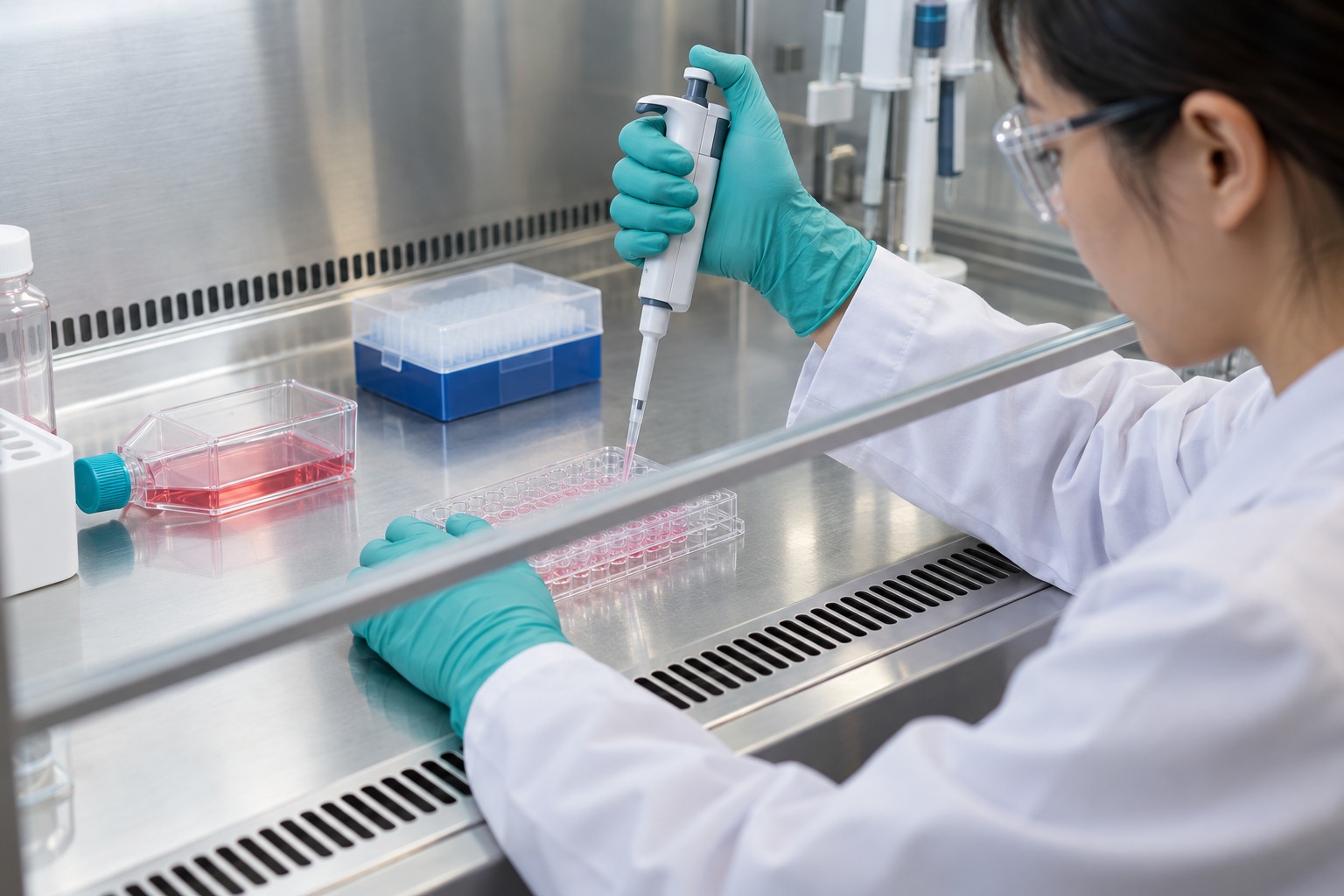
A researcher uses a micropipette with a multiwell cell-culture plate inside a biosafety cabinet, beside a culture flask and tip box

How do research models respond?

Bioactivity research

We observe material responses in cell-based and other research models, connecting constituents to research questions and informing subsequent study design.

Key recordsStudy conditions, observations & limitations
Explore the work

We define models, doses, controls and replication. Cell or animal observations are interpreted separately from human effects; further safety and human studies are planned according to the intended use.

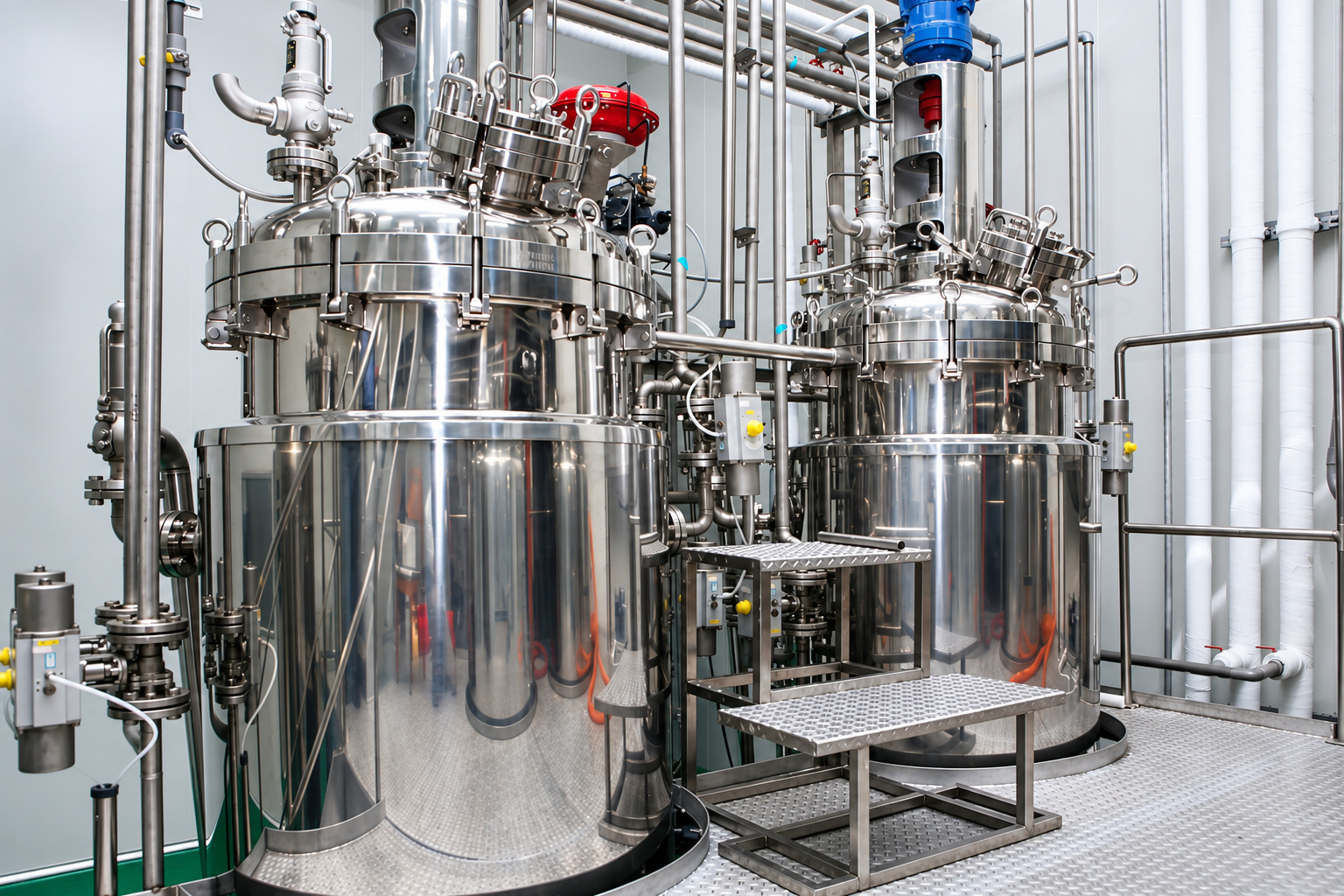
Stainless-steel process vessels, piping and access steps

How do we move beyond the lab?

Scale-up & pilot production

According to project goals, we assess equipment, operating conditions and batch differences, translating research methods into process conditions for pilot production and manufacturing handoff.

Key recordsPilot conditions & batch comparisons
Explore the work

Scale-up is more than increasing output: it also involves comparing composition, stability and operating conditions. Scale, equipment arrangements and validation activities are agreed for each project.

Four researchers in white lab coats discuss their work around a table, with simple laboratory cabinets, a workbench and a few instruments behind them

How are batch requirements checked?

Quality review & production handoff

We bring together material specifications, test data and process records, agreeing on delivery requirements with partners so research information supports production and supply.

Key recordsSpecifications, test & handoff documents
Explore the work

We discuss analytical methods, acceptance criteria, retained samples and traceability for the intended use, reviewing documentation and open questions before planning the next stage.

Quality feedback at every step

Each batch informs the next.

Analytical and test findings feed back into discussions of cultivation, extraction and process conditions, creating a cycle of recording, comparison, adjustment and re-evaluation.

Back to the starting point

Specifications, validation and deliverables at each stage are agreed according to the material’s intended use and the scope of collaboration.

SCIENCE CONNECTS US

The next question is worth exploring together.

Discuss materials, methods and the next stage of validation with research teams, pharmaceutical companies and strategic partners.

Start a conversation