01 / TECHNOLOGY PLATFORM

Sanghuang technology,
built on cultivation.

Connect environmental control, process research and ingredient analysis into a traceable R&D path so that differences in raw materials can be understood and measured.

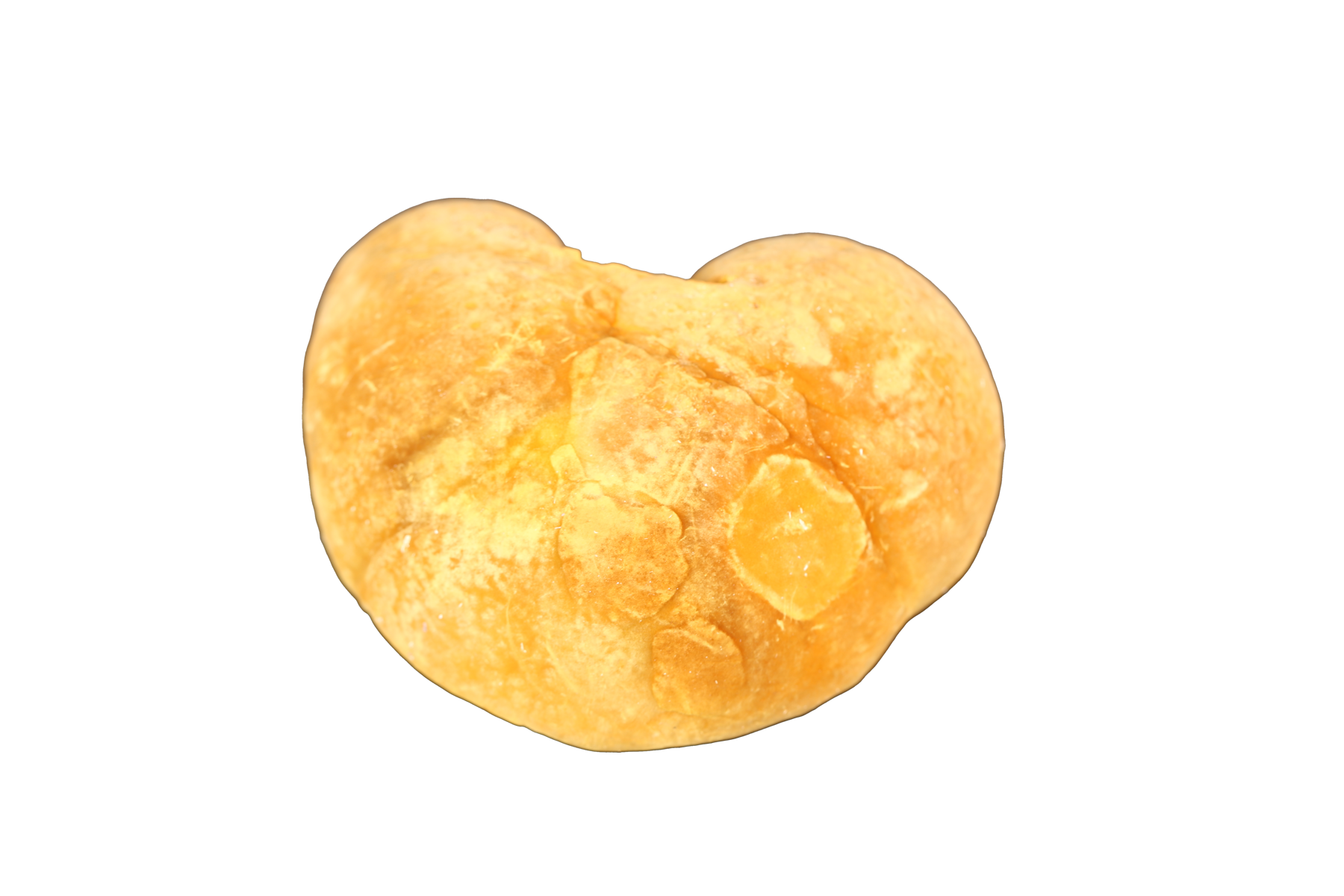
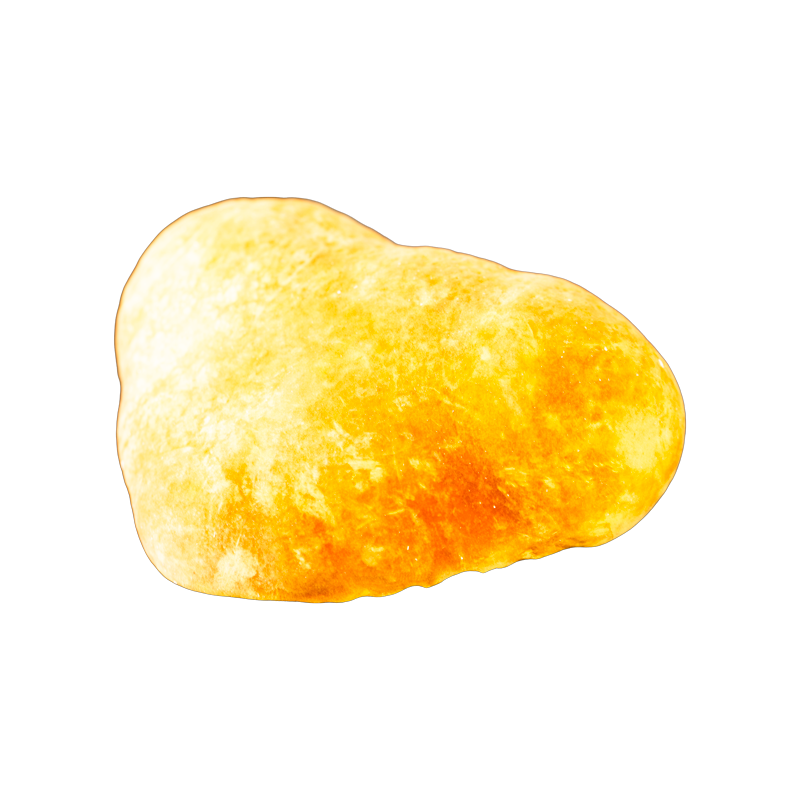
Close-up of an eGreen LED-cultivated Sanghuang fruiting body, showing its golden surface and naturally undulating texture
LED-cultivated Sanghuang · texture

RESEARCH MATERIAL DOSSIER

What should accompany a research sample?

Turn material descriptions into a research specification. This framework supports collaboration assessment; documents and tests are agreed for each project.

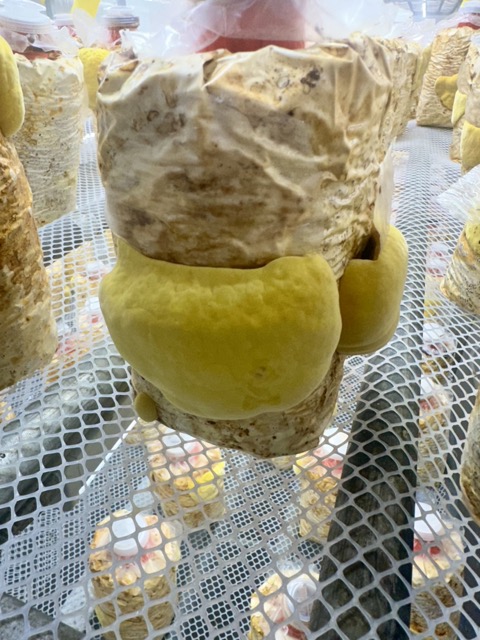
Close-up of a golden Sanghuang fruiting body growing from an eGreen cultivation bag, with the bag and mesh shelf visible
Fruiting body on a growing bag
01

Material identity

Species and strain, fruiting body or mycelium, source batch and harvest conditions. Results from different materials are not interchangeable.

02

Process & composition

Extraction solvent, fractionation, concentration conditions and analytical methods; interpret composition using reference standards, method suitability and batch comparisons.

03

Models & validation

Concentration, exposure time, controls, replicates and statistics; retain raw data, negative findings and study limitations.

04

Transfer & reproducibility

Sample codes, storage, analytical versions, deviations and permitted use. The recipient assesses method reproducibility and data adequacy.

CONNECTED RESEARCH PLATFORM

Combine materials, methods and evidence,
Connect into one research path.

Click on each stage to explore the focus of the Sanghuang R&D platform. The process presents the research structure, and individual projects are designed according to the purpose.

RESEARCH STAGE / 01

Material definition

Start with the correct identification of research materials. By concatenating strain sources, cultivation batches and sample locations, each analysis has a clear starting point.

Species and strainsSample partBatch record
Platform data basis [C1] ↗
Side view of an eGreen LED-cultivated Sanghuang fruiting body, showing its rounded golden form and surface detail
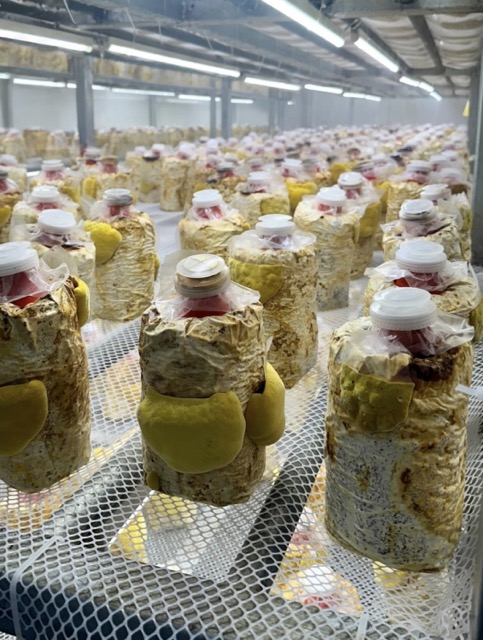
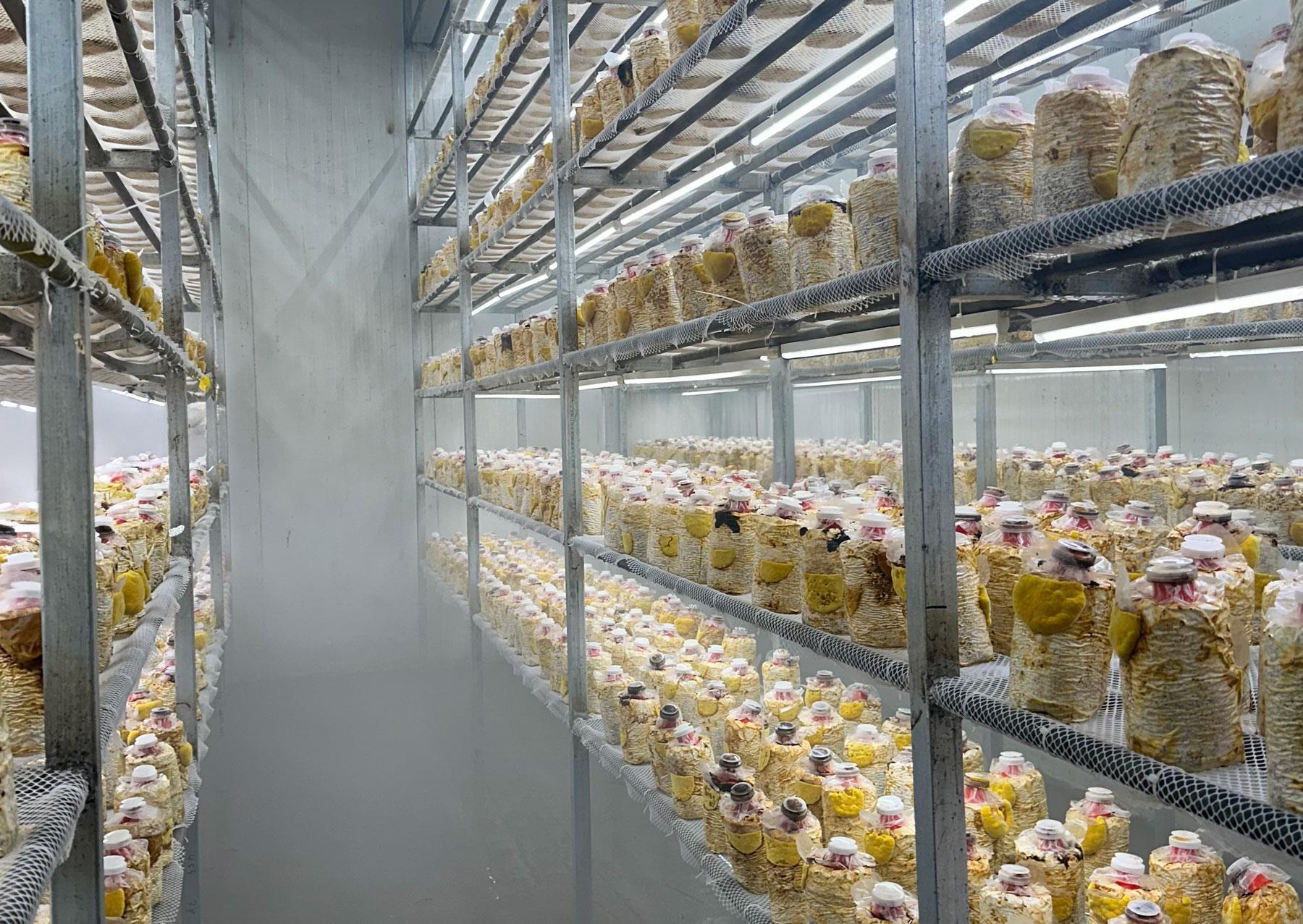
eGreen's indoor Sanghuang cultivation area with growing bags and golden fruiting bodies on illuminated multi-tier racks
Sanghuang cultivation & research

CULTIVATION × ANALYTICS

Master the material,
Only then can we have a deep understanding of activity.

Our platform centers on indoor multi-tier LED cultivation, integrating batch management, extraction, fractionation and analytical testing to provide the material and technical foundation for bioactivity research and international ingredient collaboration.

01

LED-controlled cultivation

Use indoor three-dimensional cultivation to manage light, temperature, humidity and growth environment to reduce the interference of seasons and outdoor environment on the cultivation process. The focus of R&D is on linking growing conditions, fruiting body formation and batch quality, rather than just pursuing yield.

Research record focus: strain source, culture medium, environmental parameters, harvest batch and raw material parts.

02

Extraction, Fractionation and Material Definition

We explore aqueous and ethanolic extraction and solvent fractionation to study constituent profiles across processes, using clear material identifiers to connect chemical analysis with biological testing. Crude extracts, purified constituents and derivatives have distinct properties and are defined separately in research and collaboration.

Key points of research records: extraction conditions, fractionation methods, sample concentration, solvent control and storage conditions.

03

HPLC and active ingredient analysis

In preliminary HPLC analysis, we compared a hispolon reference standard with an ethyl acetate fraction and observed similar signals at retention times of approximately 34–35 minutes. This guides constituent tracking; full identification still requires method validation, calibration curves and additional analytical evidence.

Compound purity, complete structure, or human efficacy cannot be inferred solely based on similar retention times.

04

Biological activity and quality research

We build preliminary evidence through cell models, immune-related indicators and animal observations, combining microbiological and precision analysis with methods such as HPLC, LC-MS/MS and ELISA to examine constituents, quality and bioactivity together.

We define suitable tests, available data and service scope for each collaboration so research needs and deliverables are clearly aligned.

Source: 2026 Company Profile, pp. 5–7, 22–28.[C1]

Four researchers in white lab coats discuss their work around a table, with simple laboratory cabinets, a workbench and a few instruments behind them
Research exchange & quality discussions

QUALITY BY UNDERSTANDING

Quality management,
It is the premise that research can be accumulated.

We use GACP cultivation principles and the ISO 22000 and HACCP food-safety frameworks to guide quality development. For drug-development collaborations, we plan appropriate processes, analytical methods and safety validation around the research objectives.

Quality-management systems, agricultural practices and drug registration serve different purposes; a management framework does not establish drug approval or validated efficacy in humans.

Understand the direction of drug research and development cooperation

GOVERNMENT-SUPPORTED R&D

Taking the R&D project as the node,
Accumulate sustainable technologies.

From early LED cultivation, preliminary research on new plant drugs, to local SBIR and bioprocessing, government R&D and industry-university resources connect eGreen’s technological development.

Explore government plans and industry-university cooperation

Explore each program's research focus, participation dates and contribution to our technical development.

A PLACE FOR SCIENCE

Put research into practice,
Also keep the view outward.

From Sanghuang cultivation and analytical experiments to process research, we connect materials, methods and workspaces to support continuing R&D.

eGreen's indoor Sanghuang cultivation area with growing bags and golden fruiting bodies on illuminated multi-tier racks
CULTIVATION / eGreen indoor Sanghuang growing
Stainless-steel process vessels, pipework and an operating platform from eGreen's original company image archive
PROCESS / Historical images of process equipment
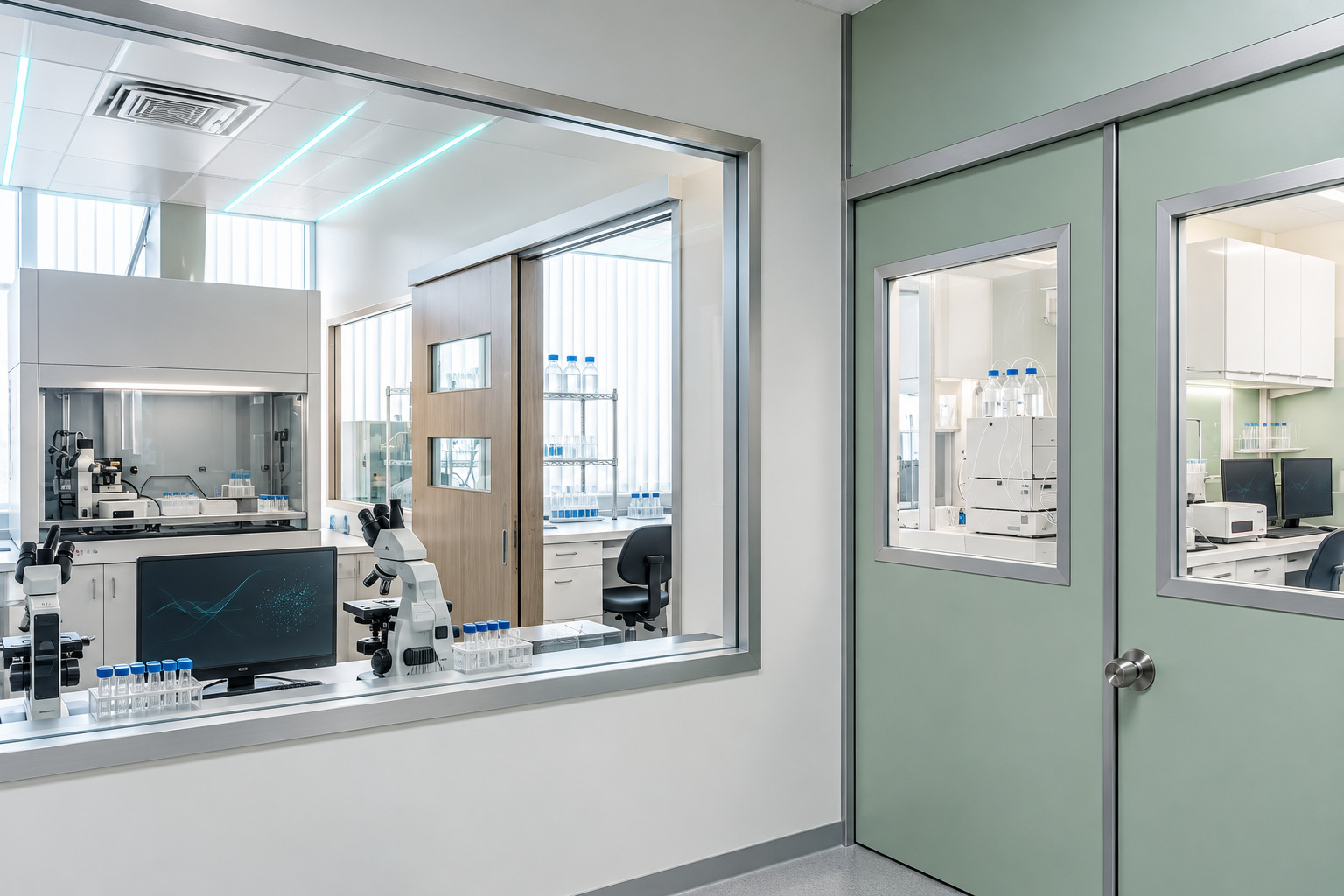
Microscopes, analytical instruments, sample vials and computer workstations seen through a glass observation window and pale green laboratory doors
LABORATORY / Analysis and Research Space

TRANSLATIONAL RESEARCH FRAMEWORK

With verifiable work,
Connecting each R&D stage.

We connect materials, methods, biological models and safety assessment in our research collaborations, building verifiable evidence step by step. This is a research framework; its topics do not constitute a clinical-stage drug pipeline.

Work fieldAlready have data contextThe next step for cooperation to focus onBasis
Materials and cultivationLED, solid-state cultivation and past R&D plansCompilation of strains, parts, batches and environmental control dataC1 / G1
Ingredients and methodseGreen preliminary HPLC analysis; international polysaccharide and metabolite researchStandards, method validation and batch fingerprintingC1 / R14
Function and modeleGreen preliminary experiments; international cell and animal researchDose response, independent replicates and material controlsR12 / C1
Translation to clinical research & safetyCMC early planning record; international research backgroundEvaluate pharmacokinetics, toxicology and applicable research procedures according to cooperation projectsCMC Project

EGREEN / CULTIVATION & RESEARCH

From Sanghuang to the cultivation floor.

From the golden fruiting bodies of eGreen LED-cultivated Sanghuang to cultivation and R&D, explore the connections between materials, technology and research.

eGreen Sanghuang growing bags arranged on indoor mesh shelves, with golden fruiting bodies growing from the sides
Sanghuang cultivation record
Close-up of a golden Sanghuang fruiting body growing from an eGreen cultivation bag, with the bag and mesh shelf visible
Fruiting body on a growing bag
eGreen's indoor Sanghuang cultivation area with growing bags and golden fruiting bodies on illuminated multi-tier racks
eGreen indoor cultivation

SCIENCE CONNECTS US

The next question is worth exploring together.

Discuss materials, methods and the next stage of validation with research teams, pharmaceutical companies and strategic partners.

Start a conversation