Apoptosis
Observe caspase, BCL-2 and other signals to understand the mechanisms related to cell death.
[R2][R5] Stock code: 7525
02 / DISEASE BIOLOGY & HUMAN RESEARCH
From cancer and immunity to metabolism and intestinal tract, domestic and foreign Sanghuang literature is connected by research theme, so that the materials, research design and each observation have a clear context.

READING THE EVIDENCE
A paper is understood through its actual materials, methods and endpoints. Examine these before comparing results.

Species, strain, tissue, extraction and compound purity can differ substantially beneath the same common name.
Cell signaling, symptom scores, immune markers and survival are different endpoints and cannot substitute for one another.
Review controls, sample size, uncertainty and reproducibility; observational associations and cases need further testing with appropriate designs.
A GROWING SCIENCE LIBRARY
A curated collection of 29 research records from Taiwan and abroad, including journal publications, an academic thesis and a trial registry. It includes 1 related-species study on P. igniarius. Each record is counted once by its primary study design.
Exploring themes and evidence matrixStatistics only cover selected articles on this site, not global research distribution or systematic review. Cases, registrations and intervention/observation data are counted separately; human immune endpoints do not equal anti-cancer efficacy.
A MOLECULAR RESEARCH QUESTION
Mechanistic clues in the study of DHME derivatives
A summary of the published mechanism, not a complete signaling pathway. Associations in cultured cells do not establish efficacy in humans.[R2] Read original research ↗
EXPLORE BY RESEARCH TOPIC
10 topics connecting basic and human research. Each article can belong to multiple topics. The number is the number of articles included on this site and cannot be added together to form the total number of independent studies.
Pancreatic cancer, colorectal cancer, breast cancer, lung cancer and tumor models
Read this topic →Research on NK cells, immune indicators and post-chemotherapy immunity
Read this topic →Atopic dermatitis, skin barrier and pruritus indicators
Read this topic →Insulin resistance, blood glucose, lipids and glycation stress
Read this topic →Enteritis, mucosal injury, bacteria and metabolites
Read this topic →Drug-induced liver injury and oxidative stress
Read this topic →PC12 cells and methylglyoxal injury
Read this topic →Muscle strength, post-exercise recovery and human trial registration
Read this topic →Adverse event reporting and study safety observation
Read this topic →Classification and identification, polysaccharide structure, derivatives and fermentation
Read this topic →HUMAN EVIDENCE, IN CONTEXT
A total of 11 data involving human subjects: 7 interventional/observational studies, 3 case reports, and 1 trial registration. 1 of the randomized studies used a different species, P. igniarius, and was labeled independently.
2 studies on PL immunity; another 1 study on P. igniarius related taxa.
Explore studies →Retrospective cohorts2Postoperative observation of pancreatic cancer; samples from the same hospital and year partially overlap, so samples cannot be combined.
Explore studies →Pre–post observation2Atopic dermatitis; the abstract does not describe a randomized parallel trial.
Explore studies →Case reports3Prostate Cancer, Liver Cancer and Safety Letter; Not an Efficacy Trial.
Explore studies →Trial registry1Taiwan fatigue resistance study; completed, results not yet posted.
Explore studies →The number is the number of records, not the evidence strength score, nor the total number of patients. Endpoints such as immunity, symptoms, and survival are not substitutes for each other.
View dermatitis pre- and post-test chartsThis page provides information on corporate R&D and academic literature, not treatment advice. Cell or animal results cannot directly infer human efficacy; external literature does not represent the clinical results of eGreen raw materials, nor does it constitute drug approval.
INSIDE THE EXPERIMENT
Six sets of experimental figures from three papers, with original axes, controls and statistical annotations preserved. Read the accompanying commentary and click a thumbnail to enlarge.
Read the original picture and interpretation [R2] ↗
Read the original picture and interpretation [R10] ↗
Read the original picture and interpretation [R13] ↗
The original images are included and used under CC BY 4.0 license. Each image is accompanied by the author, journal, figure number and original text link. Scientific images have not been enhanced, cropped or redrawn.
MOLECULES & MECHANISMS
Sanghuang’s research covers polysaccharides, Hispolon and other ingredients. Different extracts or compounds have different research conditions and must be evaluated individually and cannot be applied directly.
Observe caspase, BCL-2 and other signals to understand the mechanisms related to cell death.
[R2][R5]Study cancer cell pathways such as SRC/STAT3 and analyze activity and possible targets.
[R2]Explore liposome coating and co-delivery to study cellular uptake and in vitro responses.
[R1]SELECTED PUBLICATIONS
Select original research and limit reading to three levels: research materials, main observations and evidence. All citations can be linked back to the journal or PubMed.
Research scope: Sanghuangporus, historical PL names, related components and 1 related taxon research; including journals, dissertations and experimental registrations. Non-systematic review. Compilation date: 2026-10-02.
No matching records. Adjust the search or filters.
In the B16BL6 mouse melanoma cell line, researchers co-delivered Hispolon and Doxorubicin using liposomes to observe cytotoxicity and apoptotic responses.
Al Saqr et al. · AAPS PharmSciTech 21, 304
Data basis: Original research abstract/original text · Check 2026-10-02
Hispolon, Doxorubicin and liposome formula; B16BL6 cell line.
The in vitro cytotoxicity of the co-delivery group was higher than that of each single-drug liposome group, supporting further exploration of the possibility of formulation and drug delivery.
The research object is cultured cells, not people receiving treatment; it cannot be converted into a human body efficacy improvement ratio, nor can it be combined with any drugs based on this.
Read the original publication [R1]Researchers used the Hispolon derivative dehydroxyhispolon methyl ether (DHME) to treat human colorectal cancer cells to explore the pro-apoptotic effects and signaling pathways.
Hsieh et al. · Biomedicines 11(9), 2530
Data basis: Original research abstract/original text · Check 2026-10-02
chemical derivative of DHME; human colorectal cancer cell line.
Research links apoptosis with SRC, STAT3 signaling inhibition and BCL-2 downregulation, providing research clues to the molecular mechanism.
DHME is a chemical derivative and cannot be equated with Sanghuang crude extract or Hispolon itself. The cell results do not yet demonstrate efficacy or safety for use in patients.
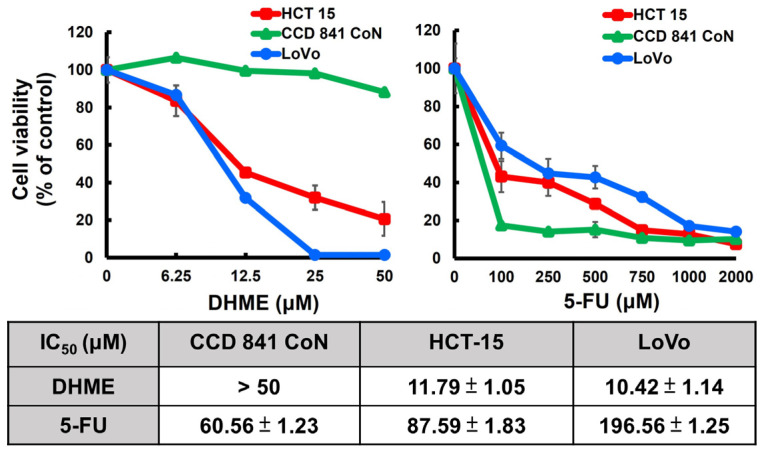
Read the original publication [R2]The left and right graphs use DHME and 5-FU respectively, with different concentration ranges on the horizontal axis. First look at the difference between the curves of cancer cells and normal cells in each figure, and then read the quantitative comparison in the original text. You cannot directly rank by the slope of the left and right lines.
HCT-15, LoVo colorectal cancer cells versus CCD 841 CoN normal epithelial cells; 48 hour treatment; MTS cell survival assessment.
This is an in vitro selectivity for a specific cell line and does not represent patient efficacy, safe dosage, or replacement for 5-FU.
© 2023 Hsieh et al. · Biomedicines 11, 2530 · Figure 1
Original figure & full caption · DOI · CC BY 4.0
The original figure is unchanged. Commentary was prepared for this site and translated from Chinese. This is external research, not an eGreen experiment.
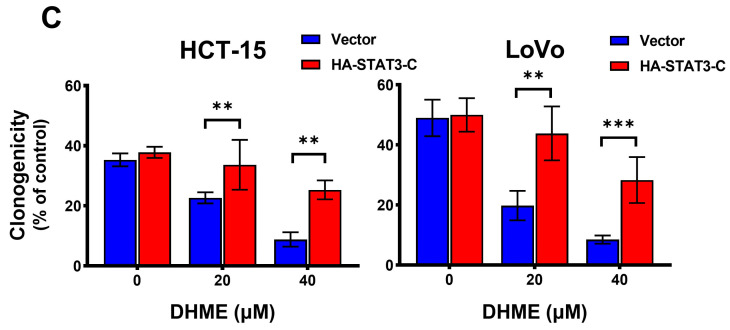
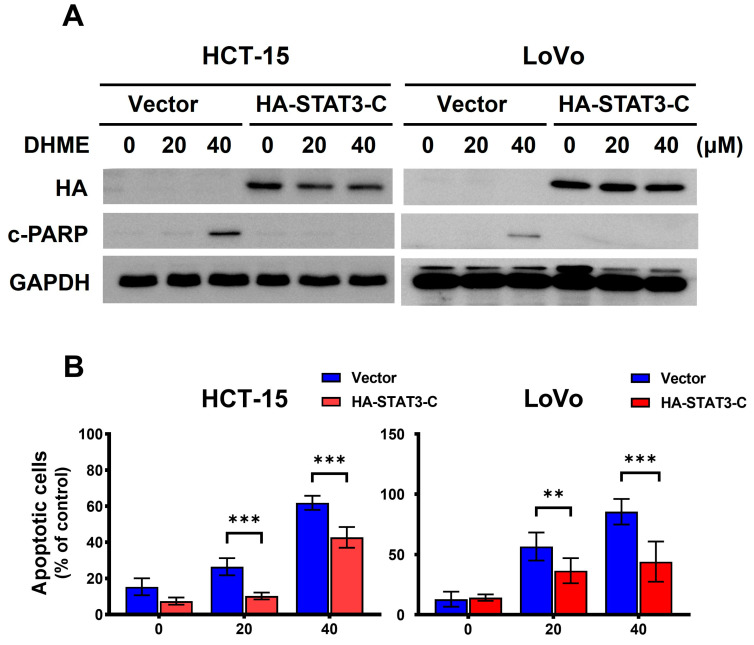
Compare the vector control with constitutively active STAT3-C. The researchers used c-PARP, Annexin V and colony formation assays to test whether maintaining STAT3 activity attenuates the response to DHME. These rescue experiments probe the mechanism beyond a decrease in a single protein.
A, B: DHME 0, 20, 40 μM, 24 hours; C: colony formation assay. GAPDH is the equal volume loading control.
Genetic manipulation supports mechanistic associations in cell models; it cannot be claimed that DHME has become a clinically targeted drug. The two figures of the original Figure 3 remain intact.
© 2023 Hsieh et al. · Biomedicines 11, 2530 · Figure 3
Original figure & full caption · DOI · CC BY 4.0
The original figure is unchanged. Commentary was prepared for this site and translated from Chinese. This is external research, not an eGreen experiment.
A single center in Korea retrospectively reviewed 407 patients who received adjuvant chemotherapy after pancreatic cancer surgery, 103 of whom used the investigational Phellinus linteus formulation, and 304 who did not.
Kim et al. · Integrative Cancer Therapies
Data basis: Original research abstract/original text · Check 2026-10-02
Investigational PL formulation; patients treated with resection versus adjuvant chemotherapy, 2012–2022.
A survival difference was observed in unadjusted analysis, but multivariate-adjusted HR 0.614, 95% CI 0.376–1.002, p=0.051, which fell short of the commonly used 0.05 significance threshold.
Non-randomized allocation leaves potential selection bias and confounding. The study cannot establish causality or support replacing standard care. The FOLFIRINOX subgroup showed no significant OS or RFS benefit. This is an external study, not an eGreen clinical trial.
Read the original publication [R3]30 subjects were randomly divided into three groups: PL 1,000 mg, 2,000 mg, and placebo for an 8-week intervention; 26 people completed the trial, and the study evaluated NK cell activity and cytokines.
Ku & Kang · Medicine 101(40), e30829
Data basis: Original research abstract/original text · Check 2026-10-02
PL extract used in study; immune function study subjects.
This trial provides pilot data for immune-related endpoints and safety assessment, which the authors position as the basis for subsequent large-scale studies.
The sample size is small, the endpoint of the study is immune indicators, and the effectiveness of cancer treatment is not verified. Alterations in NK activity cannot be extrapolated to cancer prevention or improved survival.
Read the original publication [R4]Study on the caspase activation and ERK, JNK, and p38 MAPK signaling changes triggered by Hispolon in human nasopharyngeal carcinoma cell model.
Phytomedicine 21, 1746–1752
Data basis: Original research abstract/original text · Check 2026-10-02
Hispolon; human nasopharyngeal carcinoma cell model.
The results provide experimental clues about Hispolon and the mechanism of apoptosis, which can be used as a starting point for subsequent target and dose studies.
Acting on cell lines is not equivalent to acting on human tumors; issues such as exposure concentration, metabolism, safety and drug delivery still need to be dealt with.
Read the original publication [R5]Sanghuang-related literature has used different names such as Phellinus and Inonotus. The classification study uses ITS barcodes and reference sequences to deal with the problem of misidentification of Sanghuangporus.
IMA Fungus · PMID 33853671
Data basis: Original research abstract/original text · Check 2026-10-02
Sanghuangporus reference sequence and ITS taxonomic analysis.
Correct species identification can improve material traceability and is also a prerequisite for comparing different research results.
Also commonly known as Sanghuang, it does not mean that the strain, part, process or ingredients are the same. This website retains the names of the original literature materials and does not consider all materials to be equivalent.
Read the original publication [R6]A Korean study randomized 98 people to compare 1,000 mg daily of investigational PL extract with placebo for 8 weeks. The primary endpoint was NK cell activity.
Ku, Kang & Lee · Medicine 101(34), e30226
Data basis: Original research abstract/original text · Check 2026-10-02
Research extract of Phellinus linteus; study of immune function in adults.
Summary report NK activity differs between groups by p < 0.05; no significant changes were found in secondary immune indicators, and no related adverse liver and kidney function results were observed during the study.
This was not a cancer-treatment trial. Short-term observations with a specific material do not establish cancer prevention, improved survival or long-term safety, and cannot be extrapolated to other Sanghuang materials.
Read the original publication [R7]The Thai team added VPA to PL static fermentation to study the response of culture conditions, Hispolon output and breast cancer cell HTB-26.
Chueaphromsri et al. · Biotechnology Letters 47, 29
Data basis: Original research abstract/original text · Check 2026-10-02
Phellinus linteus fermentation broth; VPA 400 μM; 30 days culture; HTB-26 cells.
Abstract report Hispolon output increased by 120% and mycelial dry weight increased by 41%; cell observations of fermentation broth involved ROS, autophagy and apoptosis.
VPA is a culture intervention under study and is not a recommendation for eGreen’s current manufacturing process or human use. Increasing production does not mean increasing drug efficacy; residues, purification, drug dynamics and safety need to be dealt with separately.
Read the original publication [R8]To study four polysaccharide fractions obtained from fruiting bodies with a molecular weight range of 90.50–261.70 kDa and compare responses in three non-small cell lung cancer cell lines.
Wan et al. · Carbohydrate Polymers 276, 118798
Data basis: Original research abstract/original text · Check 2026-10-02
SVP-W, SVP-1, SVP-2, SVP-3; A549, 95-D, NCI-H460 cells.
Acidic SVP-1 has a prominent inhibitory effect in vitro. The study further used structural analysis and apoptosis tests to clarify the material properties.
Molecular weight, branching and purification methods will affect the properties of polysaccharides; different fractionations cannot be collectively referred to as "polysaccharides". Cell data cannot predict patient efficacy.
Read the original publication [R9]This study combines response surface methodology and exopolysaccharide activity assessment to compare the research materials of three strains of S. sanghuang, MS-1, MS-3, and MS-7.
Gao et al. · Foods 13(8), 1190
Data basis: Original research abstract/original text · Check 2026-10-02
Extracellular polysaccharides from three Sanghuang strains; antioxidant test and six cancer cell models.
Different strains and tests have different performances; for example, the EC50 of the DPPH scavenging test is 0.080 for MS-7, 0.273 for MS-1, and 0.291 mg/mL for MS-3.
Chemical scavenging capacity is not an anti-cancer effect in humans; EC50 only applies to this test condition and cannot be directly ranked across different studies or materials.
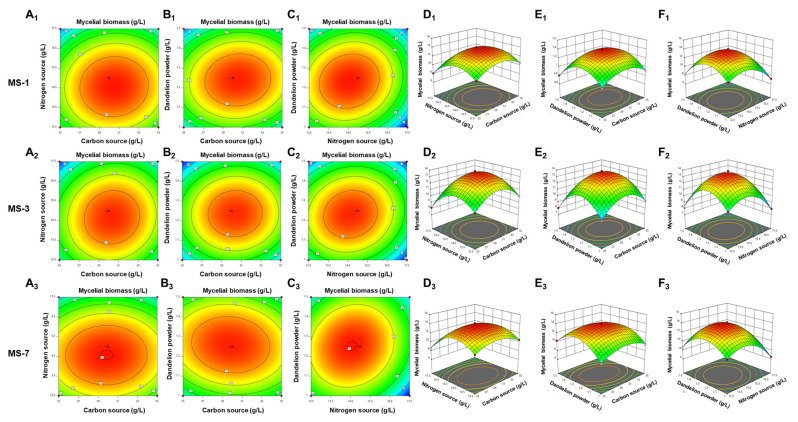
Read the original publication [R10]The height and color of the surface present the model's prediction of mycelial biomass; contours help identify the response to different culture component combinations. The focus of this diagram is the interaction between components, which must be verified with actual culture.
Box–Behnken response surface design; comparing paired combinations of carbon source, nitrogen source and dandelion powder concentration, covering three Sanghuang strains.
The curved surface is a model established for experimental design. It is not applicable to any conditions, nor does it represent a simultaneous improvement in active ingredients or human body efficacy.
© 2024 Gao et al. · Foods 13, 1190 · Figure 6
Original figure & full caption · DOI · CC BY 4.0
The original figure is unchanged. Commentary was prepared for this site and translated from Chinese. This is external research, not an eGreen experiment.
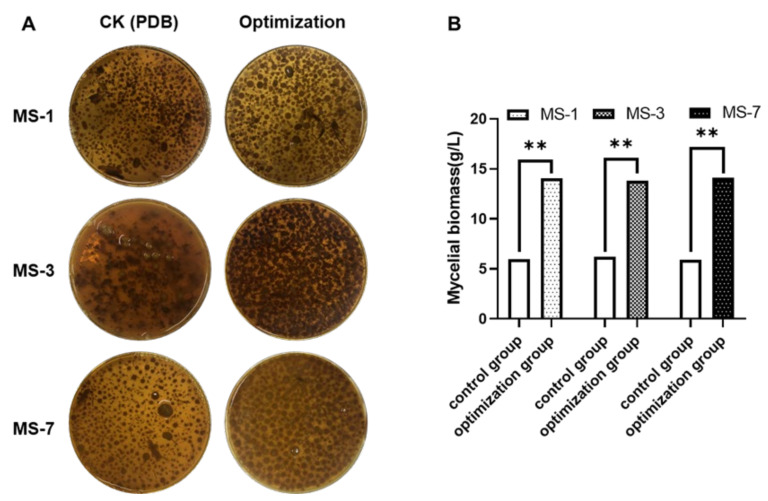
A is the culture photos of the control and optimized formula; B is a quantitative comparison of the mycelial biomass of the three strains. The photo shows the appearance of the culture, and the bar graph checks whether the recipe proposed by the model is supported in the validation experiment.
MS-1, MS-3, MS-7; CK is PDB medium. Original image ** represents p relative to CK < 0.01。
The verification endpoint is mycelium biomass, which cannot be equated to polysaccharide yield, anti-cancer activity or process scale-up results.
© 2024 Gao et al. · Foods 13, 1190 · Figure 7
Original figure & full caption · DOI · CC BY 4.0
The original figure is unchanged. Commentary was prepared for this site and translated from Chinese. This is external research, not an eGreen experiment.
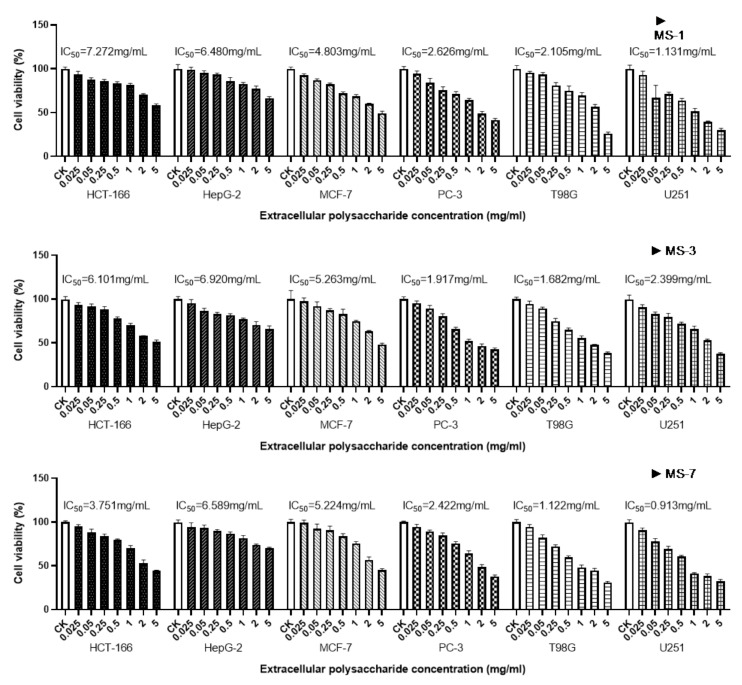
Each column corresponds to the material of one strain of bacteria, and six types of cancer cells are presented in the columns. Three columns can be compared along the same cell model to observe differences in cellular responses as concentration changes. The curves of different cell models remind us that the response of the same research material will be affected by the cell background and experimental conditions.
extracellular polysaccharide; six types of cancer cells: U251, T98G, PC-3, HCT-116, MCF-7, and HepG-2; MTT test.
MTT reflects signals related to cell metabolism and cannot independently confirm the cell death mechanism, nor can it be converted into patient tumor shrinkage or treatment success rate.
© 2024 Gao et al. · Foods 13, 1190 · Figure 9
Original figure & full caption · DOI · CC BY 4.0
The original figure is unchanged. Commentary was prepared for this site and translated from Chinese. This is external research, not an eGreen experiment.
Study on U14 cervical tumor transplanted mice to observe the changes in tumors, autophagy and intestinal bacteria after 21 days of aqueous extract intervention.
Wu et al. · Food & Function 14, 2374–2384
Data basis: Original research abstract/original text · Check 2026-10-02
Sanghuangporus baumii aqueous extract (SHWE); female Kunming mice; 400 mg/kg group.
The abstract reports that the tumor growth inhibition rate in this dose group is 67.4%, and changes in autophagy-related genes and LC3 indicators are observed.
67.4% is the result of a specific mouse model and administration conditions. It is not a human treatment success rate and cannot be converted into human doses or the effects of other Sanghuang materials.
Read the original publication [R11]Study using A549, H1650 cells and lung cancer xenograft mice to evaluate the proliferation, migration and invasion-related effects of S. sanghuang ethanol extract.
Wang et al. · Nutrition Research and Practice 17(6), 1070–1083
Data basis: Original research abstract/original text · Check 2026-10-02
Sanghuangporus sanghuang ethanol extract SAE; lung cancer cells and xenograft models.
Reports observed inhibition of proliferation in cell and animal models and tracks indicators such as Bcl-2/Bax, Cyclin D1, CDK4 and STAT3.
The active ingredients and exposure conditions of multi-component extracts still need to be clarified. Cells and transplanted tumors cannot replace human efficacy, metabolism and toxicology verification.
Read the original publication [R12]The Taiwanese team studied the relationship between Sanghuang materials and inflammation, oxidative stress, apoptosis and tight junctions in a mouse intestinal mucosal injury model induced by 5-FU.
Lin et al. · International Journal of Molecular Sciences 26(7), 3444
Data basis: Original research abstract/original text · Check 2026-10-02
Sanghuangporus sanghuang; 5-FU-induced intestinal mucosal injury in mice.
The original report reported that Sanghuang intervention reduced multiple damage indicators and provided research clues to the epithelial barrier and inflammation mechanisms.
This study evaluates animal models of treatment-related injury and does not demonstrate anticancer efficacy, nor does it demonstrate the safety or benefit of concurrent chemotherapy in patients.
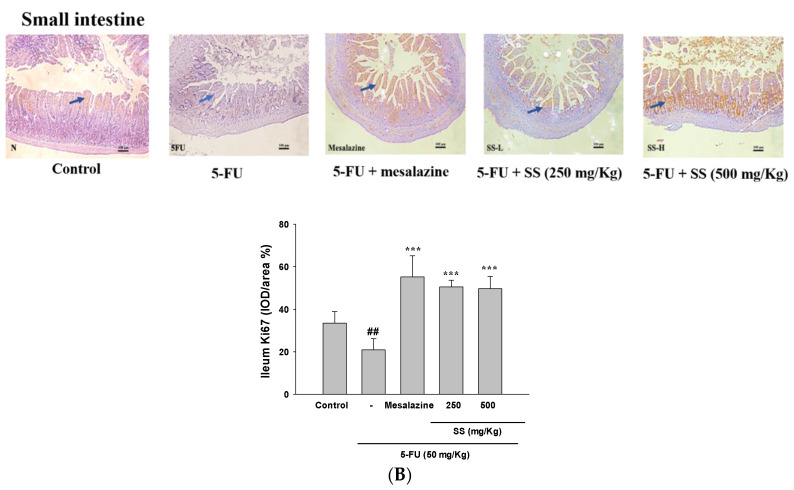
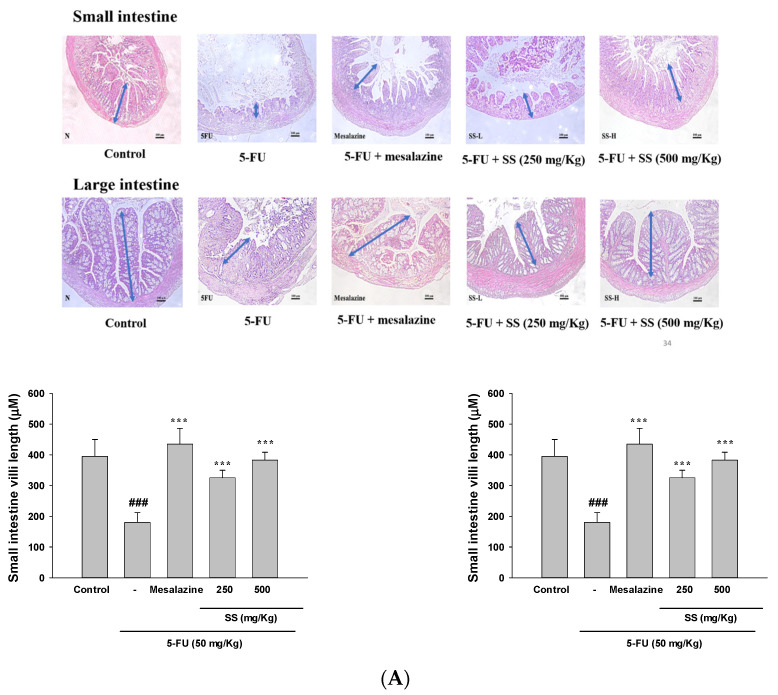
Read the original publication [R13]H&E assists in observing intestinal tissue morphology. Ki-67 is a proliferation-related marker; the slice images need to be read together with the quantitative results next to them. The research question here is treatment of relevant intestinal damage, not tumor suppression.
mice n=5; SS 250/500 mg/kg daily for 10 days; 5-FU on days 4–7. 100x magnification, scale bar 100 μm; data are mean ± SD.
It is an animal tissue observation and does not prove the safety or intestinal protective effect of combined chemotherapy in patients; the two original images are presented in the original order.
© 2025 Lin et al. · International Journal of Molecular Sciences 26, 3444 · Figure 2
Original figure & full caption · DOI · CC BY 4.0
The original figure is unchanged. Commentary was prepared for this site and translated from Chinese. This is external research, not an eGreen experiment.
Study and analysis of S. sanghuang ethanol extract combining total phenols, total flavonoids, UPLC-MS and in vitro antioxidant and DNA damage protection assays.
Wang et al. · PeerJ 13, e18758
Data basis: Original research abstract/original text · Check 2026-10-02
Sanghuangporus sanghuang ethanol extract SEE; chemical analysis and in vitro testing.
Reported analysis of 491 metabolites; total phenols 385.38 ± 1.36 mg GA/g, total flavonoids 298.22 ± 2.38 mg QE/g extract.
GA and QE are different standard equivalents, and they cannot be added or directly interpreted as pure component ratios. Function prediction and chemical antioxidant tests do not constitute evidence of human anti-cancer.
Read the original publication [R14]South Korea Severance Hospital retrospectively reviewed cases from 1995 to 2014, initially 323 people, and finally included 217 people, of whom 161 received adjuvant therapy; analyzed using the propensity score matching method.
Lee et al. · Integrative Cancer Therapies 18
Data basis: Original research abstract · Check 2026-10-02
Investigational Phellinus linteus preparation; patients after resection of pancreatic ductal adenocarcinoma.
Summary report PL use was associated with completion of adjuvant therapy (p=0.039) and observed survival outcomes. One focus of the study is treatment completion.
Non-randomized research, association does not equal causation. Being in the same hospital as R3 and partially overlapping in the year of admission, the number of people in the two articles cannot be added together as an independent cumulative sample; published online in 2018 and published in the 2019 issue.
Read the original publication [R15]A Korean study observed 35 patients aged 2–14 years with mild-to-moderate atopic dermatitis, using germinated brown rice culture PL material, and tracking objective SCORAD and itch scores for 12 weeks.
Hong et al. · The Korea Journal of Herbology 23(1), 103–108
Data basis: Original research abstract · Check 2026-10-02
Phellinus linteus grown on germinated brown rice; an orally administered cultured material, not a purified single compound.
The average summary report objective SCORAD dropped from 25.31 to 18.73; the itch score dropped from 7.37 to 4.60, and the difference between the two items before and after was p < 0.05。
The available abstract does not describe randomization or a parallel control group. Natural disease variation, other influences and placebo effects cannot be excluded. The pre–post difference is not a control-adjusted treatment effect and cannot be extrapolated to other materials.
Read the original publication [R16]A Korean team enrolled 35 patients to evaluate topical formulations containing PL extracts and changes in transepidermal water loss, skin moisture content, revised SCORAD, and itch.
Jeong et al. · J Korean Oriental Medical Ophthalmology & Otolaryngology & Dermatology 23(3), 154–164
Data basis: Original research abstract · Check 2026-10-02
A topical herbal formulation containing Phellinus linteus extract, interpreted separately from oral Sanghuang studies.
The summary reports the change of the above indicators up to p using paired t test and Wilcoxon signed rank test. < 0.05。
The abstract does not describe a randomized parallel control; multi-ingredient formulas cannot attribute changes to PL as a single ingredient. This is external formulation research, not our company's product information.
Read the original publication [R17]Japanese authors document clinical changes in a patient with hormone-refractory prostate cancer treated with PL extract, which is a single case report.
Shibata et al. · Urologia Internationalis 73(2), 188–190
Data basis: Original research abstract · Check 2026-10-02
Phellinus linteus extract; case of prostate cancer combined with bone metastasis.
Original abstract describes tumor-related response; such reports may propose research hypotheses and cannot estimate response rates in the general patient population.
No controls, random assignment, or large reproducible samples; preexisting treatment and disease course variability cannot be ruled out. Not to be converted to treatment success rate.
Read the original publication [R18]Japanese literature reports spontaneous regression in a 79-year-old patient with hepatocellular carcinoma and multiple lung metastases, and there is a record of using PL mycelium during the course of the disease.
Kojima et al. · Radiation Medicine 24
Data basis: Original research abstract · Check 2026-10-02
Phellinus linteus mycelium; case of hepatocellular carcinoma combined with lung metastasis.
The abstract describes tumor regression on follow-up imaging and specifies that the mechanism of spontaneous regression is unknown.
The temporal sequence cannot prove that Sanghuang caused tumor regression; a single case cannot be used to estimate efficacy, compare treatments, or establish cause and effect.
Read the original publication [R19]A Korean author published a case letter titled "Exacerbation of pemphigus following Phellinus linteus ingestion" to provide safety signals.
Jin, Hong & Chung · JEADV 25(4), 492–493
Data basis: bibliography and title; no readable abstract · Check 2026-10-02
Title records ingestion of Phellinus linteus; dosage, co-administered treatments, and complete course of disease are not confirmed by data available at this time.
PubMed lists it as Letter/Case Reports; this time only the bibliography and title were checked, and no verifiable research abstract was obtained.
The incidence of adverse events cannot be estimated, nor can cause and effect be determined based on the title alone; this entry is retained to present safety literature, not only to include positive studies.
Read the original publication [R20]A Taiwanese team used a mouse paracetamol liver injury model to study Sanghuang mycelium preconditioning and liver oxidative stress, inflammation and signaling pathways.
Jiang et al. · Antioxidants 10(6), 897
Data basis: Original research abstract · Check 2026-10-02
Sanghuangporus sanghuang mycelium; drug-induced liver injury model in mice after pretreatment for 6 days.
Original study linking liver function, tissue and oxidative stress indicators, and analyzing pathways such as MAPK/NF-κB, Nrf2/HO-1 and AMPK.
Prophylactic mouse models are not equivalent to treating liver disease in patients, nor can they be used to manage drug overdose. This has not been proven to protect the liver in humans.
Read the original publication [R21]A Chinese study used type 2 diabetic mice to evaluate S. vaninii fruiting body polysaccharides and observe blood glucose, blood lipids, insulin resistance and intestinal microorganisms.
Huang et al. · Frontiers in Nutrition 9, 1013466
Data basis: Original research abstract · Check 2026-10-02
Sanghuangporus vaninii fruiting body polysaccharide SVP; analysis of diabetic mice and intestinal bacteria.
The abstract reports the improvement of metabolic indicators, and explores intestinal-related mechanisms using short-chain fatty acids and microbiota changes.
It is not yet a trial for diabetic patients; species, extraction fractionation and animal models limit extrapolation, and cannot be presumed to be a substitute for hypoglycemic treatment.
Read the original publication [R22]In a mouse model of DSS-induced colitis, a Chinese team investigated links among a polyphenol extract, Alistipes onderdonkii, the metabolite 5-HIAA and the aryl hydrocarbon receptor AhR.
Zhong et al. · iMeta 3, e180
Data basis: Original research abstract · Check 2026-10-02
Polyphenol-rich extract of Sanghuangporus; DSS mouse model with strains, metabolites, and AhR blockade intervention.
The research uses microbiota and metabolic analysis to propose the mechanism, and then uses bacterial/metabolite intervention and AhR antagonist to test the involvement of the pathway.
Schematic reflects mechanistic evidence from specific animal models; efficacy in human ulcerative colitis has not been demonstrated, nor can bacterial associations be considered general causal.
Read the original publication [R23]A Taiwanese team studied the Hispolon derivative MHME to analyze apoptosis and SRC/STAT3/BCL-2 signaling in human triple-negative breast cancer cells.
Liao et al. · Biomedicines 11(10), 2742
Data basis: Original research abstract · Check 2026-10-02
Methoxyhispolon methyl ether (MHME); HS578T, MDA-MB-231 and other breast cancer cell lines.
Using cellular responses and molecular intervention to explore the role of the SRC/STAT3/BCL-2 pathway in pro-apoptosis.
Human-derived cell experiments are not human clinical trials. MHME is distinct from Hispolon and Sanghuang extracts; clinical efficacy and achievable exposure levels have not been established.
Read the original publication [R24]The Taiwanese team used rat PC12 cells to study ergothioneine and hispidin, and observed the damage caused by methylglyoxal and high glucose conditions.
Song et al. · Oxidative Medicine and Cellular Longevity 2017, 4824371
Data basis: Original research abstract · Check 2026-10-02
Ergothioneine/hispidin component; rat pheochromocytoma PC12 cell model. Hispidin and Hispolon are different compounds.
Original article observes cell survival, reactive oxygen species and glycation stress-related indicators such as AGE/RAGE and NF-κB. The 2019 correction only adds the author’s affiliation.
Not a study in patients with dementia or diabetic neuropathy, nor a trial of the overall Sanghuang formulation; Correction: DOI 10.1155/2019/2029096.
Read the original publication [R25]Lin's master's thesis from National Chung Hsing University, comparing the extracts of Sanghuangporus sanghuang and Sanghuangporus vitexicola, and studying macrophage inflammation and insulin resistance cell models.
Lin · Master’s Thesis, Department of Plant Pathology, National Chung Hsing University
Data basis: National Library Dissertation Abstract · Check 2026-10-02
S. sanghuang / S. vitexicola extract; RAW 264.7 and HepG2 cells, including strain differences and fractionation analysis.
The abstract reports changes in nitric oxide production and glucose uptake, and compares activity across fungal strains and extraction fractions.
Dissertation is independently labeled and is not regarded as a peer-reviewed journal; HepG2 is a cell model, not a diabetic patient.
Read the original publication [R26]NCT06902662 is registered as a randomized double-blind two-group study; the latest official record lists 58 people actually included, the status is Complete, and the results have not yet been posted.
National Taiwan Sport University · ClinicalTrials.gov NCT06902662
Source: official trial registry API; checked 2026-10-02
S. sanghuang SS-MN4 mycelium; healthy adults; study regimen is 1,000 mg daily for 42 days.
Logged primary endpoints include creatine kinase CK and isometric mid-thigh pull IMTP. 2026-04-13 The updated record lists the actual completion date as 2025-10-21.
This is a trial registration, not published results. Completed recruitment or study completion does not demonstrate efficacy. Actual enrollment was 58; the 60 in the protocol description was the planned number.
Read the original publication [R27]A Korean study used sprouted brown rice-cultured PL materials, combined with cetuximab, to explore responses in KRAS mutant colorectal cancer cells and xenograft tumor models.
Park et al. · International Journal of Molecular Sciences 18(8), 1746
Data basis: Original research abstract · Check 2026-10-02
Phellinus linteus grown on germinated brown rice (PBR); SW480 cells and mouse transplanted tumors.
Original article observes the response of cancer cells and transplanted tumors under co-treatment, and studies KRAS-related drug resistance and apoptosis clues.
Preclinical combined treatment cannot be regarded as a recommendation for combined drug use in humans, and it has not been proven that patients taking Sanghuang can improve the effect of targeted treatment.
Read the original publication [R28]The 2026 paper reports on 198 colorectal cancer patients who completed chemotherapy, assigned 1:4:1 to 33 placebo, 132 study decoction, and 33 thymalfasin, for an 8-week intervention.
Zhang et al. · Journal of Traditional and Complementary Medicine
Data basis: Original research abstract · Check 2026-10-02
Phellinus igniarius decoction. This related-species study is included for context; its material is not S. sanghuang and is not treated as equivalent to P. linteus or its preparations.
Summary report changes in immune cells, cytokines and quality of life indicators; this page only redraws the number of people in the group, and does not use unprovided effect sizes to create efficacy maps.
The endpoints concern immunity and quality of life after chemotherapy, not tumor shrinkage or improved survival. This summary is based on the abstract; blinding and full between-group effect estimates require review of the original paper.
Read the original publication [R29]EGREEN RESEARCH NOTES
Our preliminary Sanghuang research covers cellular responses, immune-related indicators and constituent analysis, informing subsequent validation. The current findings are not sufficient to establish efficacy in humans.
We tested cell viability following exposure to Sanghuang extract fractions and explored K562 cell responses to combined treatment with an ethanolic Sanghuang extract and imatinib. These preliminary experiments inform further hypotheses and are not a basis for patients to combine treatments or change medication doses.
Data level: Company pilot data, pages 24–28; complete test methods, number of replicates, statistics and independent verification are still needed.
Our preliminary research examined IL-2, IL-4, IL-6 and TNF-α-related responses in mouse spleen cells, and tracked body weight, organ weights and lymphocyte subsets after four weeks of gavage. These indicators help define immunological questions but cannot alone establish anticancer activity or long-term safety.
Data level: The company’s cell and animal pilot data, pages 22–23; interpreted separately from human efficacy.
Establish a correlation between extractive fractionation and candidate active ingredients through comparison of standards and HPLC signals. Follow-up studies can combine mass spectrometric confirmation, quantitative methods and batch consistency to make the material more suitable for repeated validation across institutions.
Data Hierarchy: Corporate Chemical Analysis Summary, page 26; no single peak is used as evidence of complete compound identification.
Company Research Summary Source:[C1]
Clearly define materials and manufacturing processes, supplement methods and batch information, and plan pharmacological, pharmacodynamic, and safety assessments based on research purposes; any clinical research requires appropriate research design and ethical review. This is the direction of subsequent cooperation, not a completed clinical pipeline.

THE NEXT QUESTION STARTS HERE
eGreen laboratory work · archival record
EGREEN / CULTIVATION & RESEARCH
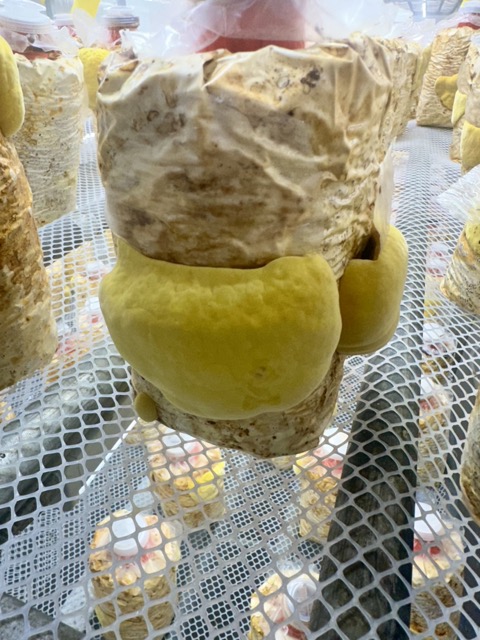
From the golden fruiting bodies of eGreen LED-cultivated Sanghuang to cultivation and R&D, explore the connections between materials, technology and research.
SCIENCE CONNECTS US
Discuss materials, methods and the next stage of validation with research teams, pharmaceutical companies and strategic partners.
Start a conversation